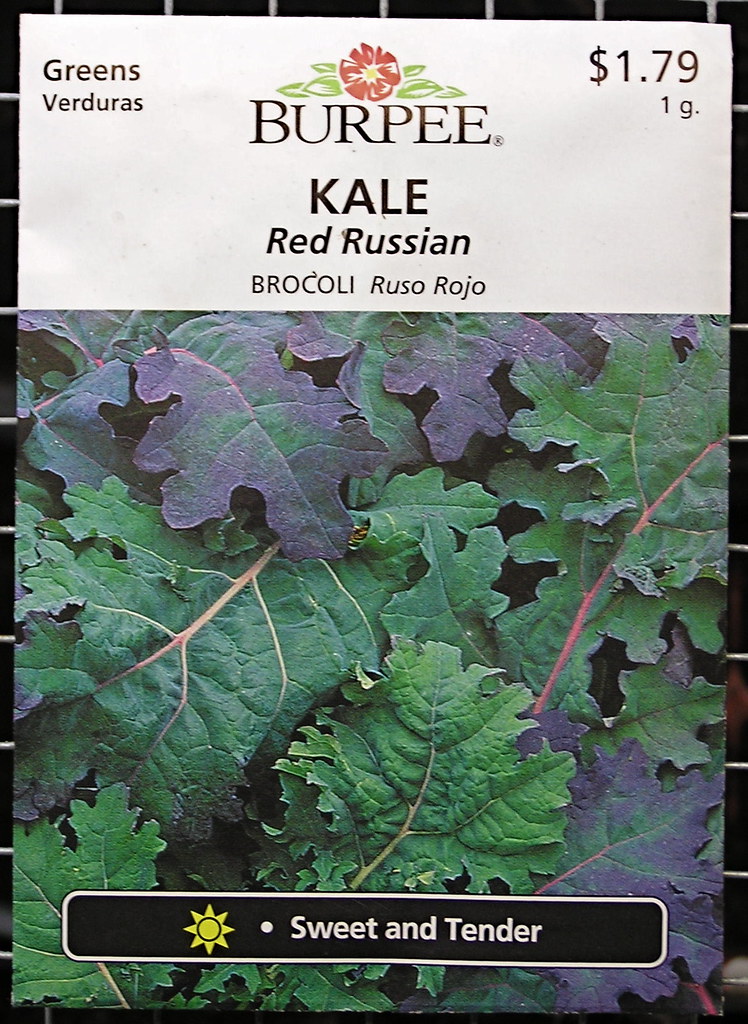
The Northwoods Seed Exchange meets on the first Saturday of March in the basement of the Ely Community Center, a low brick building on Sheridan Street. The 2026 meeting was the thirty-first. By the time the doors opened at ten, the line on the sidewalk was forty-seven people long. The temperature was nineteen degrees.
The exchange was started in 1995 by a retired forestry technician named Walter Innis, who had grown frustrated by the limited selection of cold-hardy varieties at the chain garden centre an hour south in Virginia. He printed a single-sheet flyer, posted it at the library, and twenty-two people came to the first meeting. Innis died in 2019. His daughter Marit, who is now sixty-eight, has chaired the exchange since.
The format has not changed. Each grower brings what they have saved, labelled, in small paper envelopes or repurposed pill bottles. The envelopes go on long folding tables sorted by family: solanaceae on the south wall, brassicas next to the coffee, alliums and umbellifers along the centre, legumes and grains by the door.
There is no money. Each grower may take up to one envelope of any variety they did not bring. Excess seed left at the end of the day goes into the regional seed library box that Marit drives to the Tower-Soudan library on her way home.
Marit Innis has kept the membership book in the same green ledger her father used. The 2026 page lists two hundred and eleven names. Eighty-four of them are first-time attendees, which she attributes to a feature run in the Ely Echo the week before.
The youngest grower this year was Caleb Suomi, age fourteen, from Babbitt, who brought saved bean seed from his grandmother's Hutterite-line pole beans, which the family has grown since around 1947. He had labelled each envelope by hand in pencil, with the year, the row, and the number of plants the seed came from.
The oldest was Dorothy Karjala, who is eighty-nine, and who brought what she said was the last of her late husband's rutabaga seed. Lauri Karjala had selected a single rutabaga line for thirty-six years on their farm outside Winton. After his death in 2024 Dorothy had grown one final crop in 2025 to harvest seed before retiring the line to other hands.
She had brought one hundred and forty envelopes of the Karjala rutabaga. By eleven thirty all of them were gone.
The varieties on the tables this year skewed toward what northern Minnesota actually grows. Short-season tomatoes: Sub Arctic Plenty, Stupice, Manitoba, Glacier, a locally selected Black Krim ripening in seventy-eight days. Beans heavy with French filet types that finish before the September frost. Lettuces selected for bolt resistance in long June daylight.
Sage Marchetti, who edits this section, attended the 2026 exchange for the first time, having driven up from Duluth the night before. She had brought two hundred envelopes of her Northampton-selected Brandywine, which she expected to be poorly suited to zone 3b and to sit on the table all morning. By noon she had ten left, and three growers had asked her for direct correspondence.
The trade in tips moves alongside the trade in seed. At the cucurbit table a grower from Cook explained to two newcomers that the powdery mildew problem they had described was almost certainly not powdery mildew but a foliar response to the cold July nights of 2025. He sketched the difference on the back of an envelope.
At the legume table a man named Otto Penttinen, who has chaired the local soil and water district for nineteen years, was demonstrating how to test bean seed for the weevil by holding three beans in a row up to a window light. Two were sound. The third showed the small dark exit hole.
The exchange runs from ten until two. By twelve thirty the tables are nearly empty and the conversation has thickened. Coffee is renewed twice. A woman named Helmi Lundgren has brought a tray of cardamom buns from her bakery in Tower, which is forty minutes south.
Marit Innis keeps no formal record of which varieties go to which growers. She believes record-keeping would change the nature of the exchange. The point, she says, is dispersal. The seed that goes home with one hundred and eighty different gardeners is doing what seed is supposed to do.
There is one rule, written on a small card taped to the wall above the registration table: Do not bring patented or PVP varieties. Do not bring hybrids unless clearly labelled F2 or later.
The seed library box at the end of the day held about eleven hundred envelopes, by Marit's eye, which she would catalogue at the Tower-Soudan library the following Tuesday. The library's annual seed list, which it mails free to anyone in the county on request, runs to two hundred and forty varieties as of the 2026 edition.
The exchange has produced no formal organization, no nonprofit, no website. There is a Facebook event each February, run by Marit's nephew, which she tolerates. The mailing list is still maintained on three-by-five index cards in a recipe box.
It has also produced, since 1995, a regional seed stock measurably better adapted to the Iron Range climate than anything available commercially. The Karjala rutabaga, the Suomi pole bean, the early-ripening Stupice line that originated with a grower in Soudan named Anders Maki, are all in wide circulation now across northern Minnesota and into Wisconsin.
None of them has a catalogue entry. None has a UPC code. The seeds travel in pencil-labelled envelopes and pass through hands that know the soil they will be sown into.
The 2027 exchange is already on the Community Center calendar. The first Saturday in March is March 6. The doors will open at ten. The line will form on the sidewalk before nine. Marit Innis will be there, with her father's green ledger, until the last grower leaves.
Filed under